Planning your first trip to Yogyakarta?
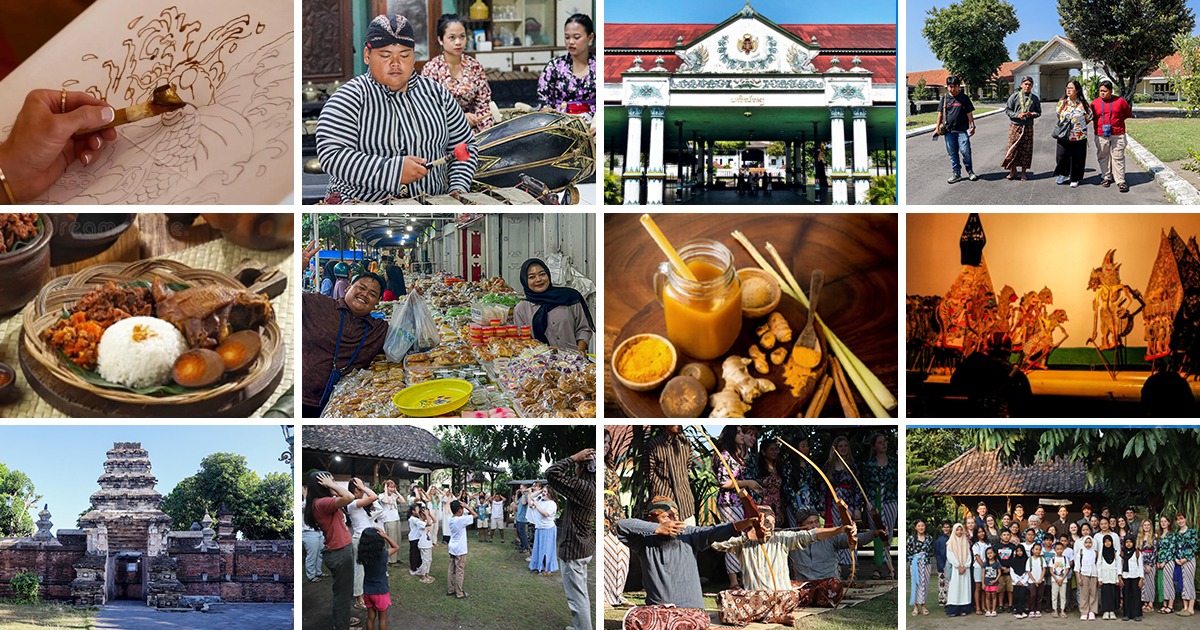
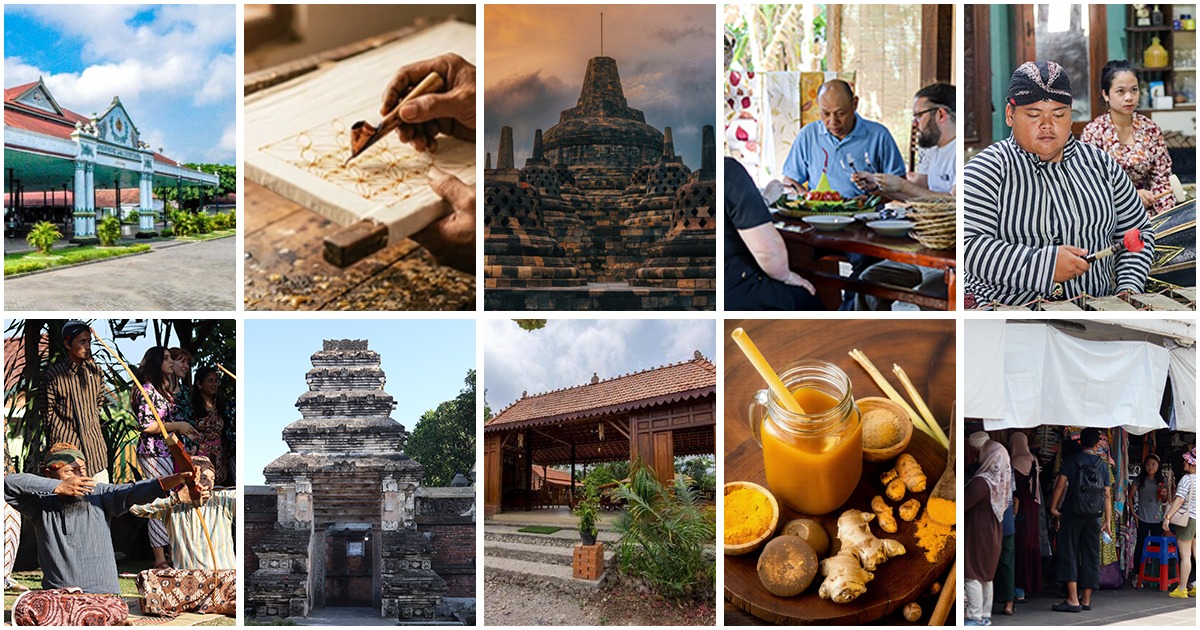
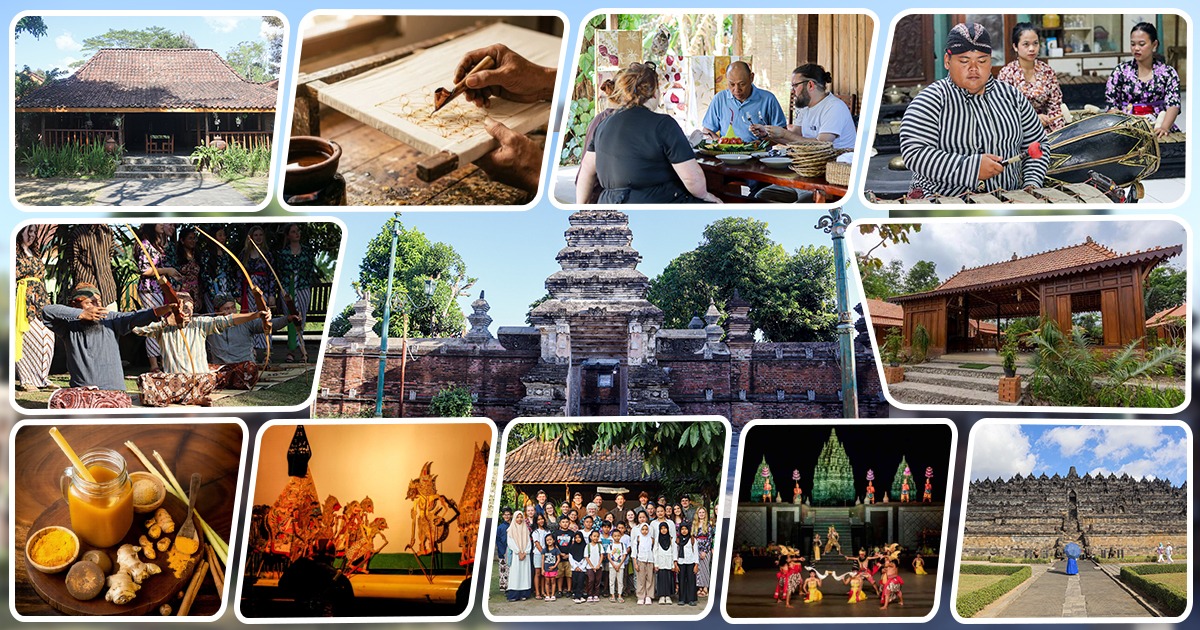
Known locally as Jogja, Yogyakarta is one of Indonesia’s most rewarding destinations for travelers who want more than beaches and resorts. It is a city where royal heritage, ancient temples, traditional arts, street food, creative communities, villages, and everyday local life come together.
For first-time visitors, Yogyakarta can feel wonderfully diverse. One morning you can watch the sunrise over an ancient temple, spend the afternoon learning how batik is made, explore a historic neighborhood, and finish the evening eating local food at a traditional market.
This Yogyakarta travel guide will help you understand where to go, what to see, how long to stay, what to eat, how to get around, and how to experience Jogja beyond the usual tourist checklist.
Why Visit Yogyakarta?
Yogyakarta is different from many other destinations in Indonesia because culture is not simply something displayed for tourists. It remains deeply connected to everyday life.
The city is historically associated with the Yogyakarta Sultanate, traditional Javanese arts, batik, crafts, education, and cultural preservation. Around the city, travelers can also find ancient Hindu and Buddhist heritage, traditional villages, agricultural landscapes, and volcanic scenery.
For first-time visitors, Yogyakarta offers an unusually broad combination of experiences:
- Royal Javanese heritage
- Ancient temples
- Traditional batik
- Local markets
- Javanese cuisine
- Art and handicrafts
- Traditional performances
- Village experiences
- Cycling through rural landscapes
- Volcano and nature experiences
- Wellness and yoga
- Creative cafés and contemporary culture
- Educational and cultural experiences
The biggest mistake first-time visitors can make is treating Yogyakarta as simply a base for visiting Borobudur and Prambanan.
The city itself is part of the experience.
When Is the Best Time to Visit Yogyakarta?
Yogyakarta can be visited throughout the year, but the experience changes depending on the season.
Dry Season
Generally, the drier months are more comfortable for outdoor activities such as:
- Temple visits
- Cycling
- Village tours
- Sunrise experiences
- Hiking
- Merapi excursions
- Walking tours
This period can also be busier, particularly around holidays and popular travel periods.
Rainy Season
Rain does not necessarily mean you should avoid Yogyakarta.
The rainy season can be a good time for travelers interested in:
- Museums
- Batik workshops
- Cooking classes
- Culinary experiences
- Art and cultural activities
- Café hopping
- Wellness experiences
Rain showers are often temporary, so a flexible itinerary works well.
A Better Approach
Rather than planning your entire trip around weather forecasts, build a flexible itinerary.
Put outdoor experiences earlier in the day whenever possible and keep cultural or indoor activities as alternatives.
How Many Days Do You Need in Yogyakarta?
For a first visit, 3–4 days is a comfortable starting point.
If you only have a short amount of time, you can still see the highlights. However, staying longer allows you to experience the city at a slower pace.
2 Days
Good for travelers with limited time.
You could combine:
Day 1
- Yogyakarta city
- Keraton
- Taman Sari
- Local food
- Malioboro
Day 2
- Borobudur
- Village experience
- Local culinary experience
3 Days
A better introduction to Yogyakarta.
You can include:
- Keraton
- Taman Sari
- Malioboro
- Batik experience
- Borobudur
- Prambanan
- Local village or cultural activity
4 Days
Ideal for travelers who don't want to rush.
You can add:
- Kotagede
- Traditional market
- Cooking class
- Cycling
- Local crafts
- Merapi or nature experience
5–7 Days
Perfect if your goal is to understand Yogyakarta rather than simply photograph it.
You can explore:
- Rural villages
- Traditional crafts
- Local communities
- Culinary traditions
- Art spaces
- Wellness
- Day trips
- Lesser-known cultural destinations
Best Places to Visit in Yogyakarta for First-Time Visitors
1. Keraton Yogyakarta
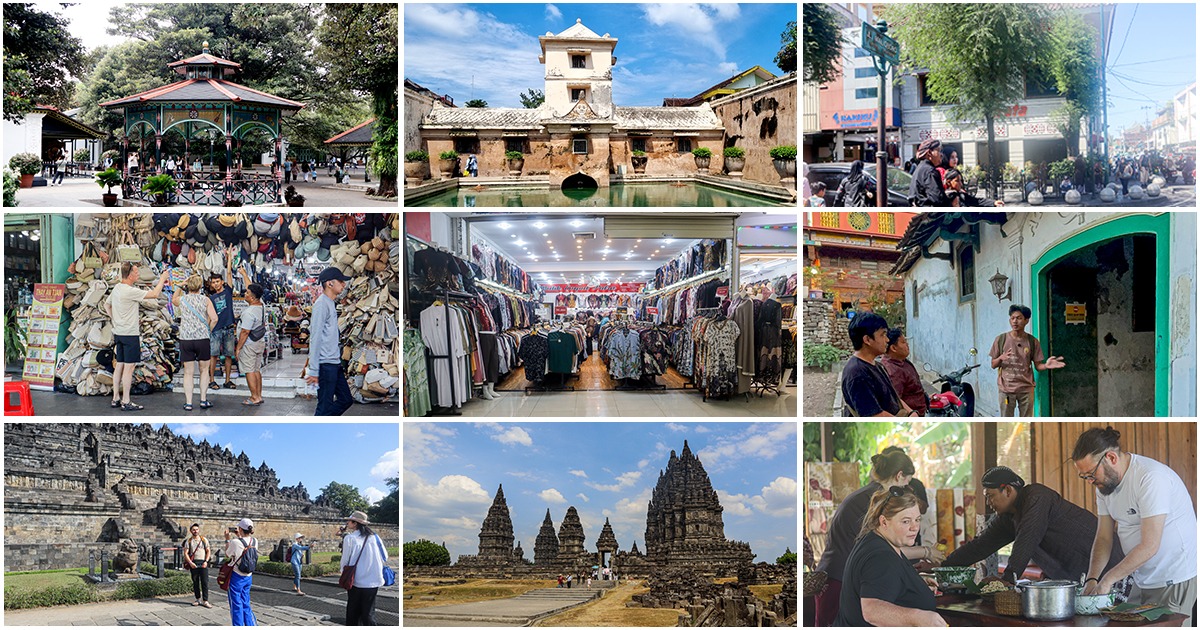
The Keraton Yogyakarta, or Yogyakarta Palace, is one of the most important cultural landmarks in the city.
It provides an introduction to the history and traditions of the Yogyakarta Sultanate and Javanese court culture.
For first-time visitors, it is a useful starting point because understanding the city's royal history makes many other cultural experiences more meaningful.
2. Taman Sari
Not far from the Keraton is Taman Sari, a historic royal complex that once served as a retreat and garden for the Sultanate.
Its architecture, underground passages, courtyards, and former bathing areas make it one of the city's most interesting historical sites.
Go with a local guide if possible. The stories behind the architecture are often more interesting than simply walking through the buildings.
3. Malioboro
Malioboro is one of Yogyakarta's most recognizable streets.
It is a lively area filled with:
- Shops
- Street food
- Local products
- Souvenirs
- Traditional crafts
- Street performers
- Restaurants
- Cafés
For first-time visitors, Malioboro is worth experiencing both during the day and in the evening.
But don't only walk along the main street.
Explore the surrounding lanes, markets, shops, and food stalls to see a more complete picture of central Yogyakarta.
4. Beringharjo Market
Located near Malioboro, Beringharjo Market is one of the places to experience Yogyakarta's traditional trading culture.
You can find:
- Batik
- Traditional clothing
- Textiles
- Snacks
- Spices
- Local products
- Souvenirs
It is particularly interesting for travelers who want to understand how traditional commerce remains part of everyday urban life.
5. Explore Yogyakarta's Batik Culture
Batik is far more than a souvenir in Yogyakarta.
It is an important part of Indonesian cultural heritage and a craft that involves patterns, symbolism, technique, patience, and generations of knowledge.
Instead of simply buying a finished batik shirt, consider joining a batik workshop.
You can learn about:
- Designing the pattern
- Applying wax
- Coloring the fabric
- Removing the wax
- Understanding traditional motifs
The experience allows you to appreciate the amount of work behind a piece of batik.
6. Visit Kotagede
Kotagede is one of the most fascinating historical neighborhoods around Yogyakarta.
Once an important center of the Mataram Kingdom, the area is associated with:
- Javanese history
- Traditional houses
- Mosques
- Old streets
- Silver craftsmanship
- Local food
- Heritage architecture
Walking through Kotagede can feel very different from visiting Yogyakarta's major tourist attractions.
For travelers interested in culture and history, it is an excellent place to slow down.
7. Borobudur Temple
Borobudur is one of Indonesia's most significant cultural landmarks and one of the world's most famous Buddhist monuments.
Its enormous stone structure, reliefs, stupas, and surrounding landscape make it an important part of a first Yogyakarta trip.
Although Borobudur is located outside central Yogyakarta, it is commonly included in Yogyakarta itineraries.
For a more meaningful visit, consider combining the temple with a local village experience rather than returning immediately to the city.
8. Prambanan Temple
Prambanan offers a different historical experience from Borobudur.
The temple complex is associated with Hindu heritage and is characterized by its tall, dramatic architecture.
Many visitors combine Prambanan with:
- Cultural performances
- Local villages
- Cycling
- Sunset experiences
- Nearby archaeological sites
If you have enough time, avoid visiting both major temples in a single rushed day.
Give yourself time to actually appreciate each place.
9. Experience a Traditional Javanese Village
One of the best ways to understand Yogyakarta is to leave the city center.
Around Yogyakarta are villages where visitors can experience aspects of rural life, including:
- Farming
- Traditional crafts
- Cooking
- Local games
- Cycling
- Community activities
- Traditional houses
- Local food
These experiences can be especially meaningful for international travelers and students because they create opportunities to interact with local communities.
10. Try a Village Cycling Experience
Cycling through the countryside is a great way to experience a different side of Yogyakarta.
Instead of navigating busy city streets, you can ride through:
- Rice fields
- Villages
- Small roads
- Traditional settlements
- Agricultural areas
The pace is slower, allowing you to notice details that are easy to miss from a car.
What to Eat in Yogyakarta
You cannot properly experience Yogyakarta without trying its food.
Javanese cuisine in Yogyakarta is often associated with sweet, savory, spicy, and aromatic flavors.
Gudeg
Gudeg is perhaps the most famous Yogyakarta dish.
It is made primarily from young jackfruit cooked slowly with spices and coconut milk, often served with:
- Rice
- Chicken
- Egg
- Tofu
- Tempeh
- Sambal
There are different styles of gudeg, so trying it from different places can be part of the experience.
Bakmi Jawa
Traditional Javanese noodles are another local favorite.
They are commonly cooked to order and can be served as:
- Fried noodles
- Boiled noodles
- Chicken noodles
Look for traditional warung-style restaurants for a more local atmosphere.
Sate Klathak
Sate klathak is particularly associated with the Bantul area.
Unlike many Indonesian satay varieties, it uses relatively simple seasoning and is traditionally grilled over fire.
The simplicity allows the flavor of the meat to remain prominent.
Traditional Snacks
Don't overlook Yogyakarta's traditional snacks.
Visit local markets and food stalls to discover things such as:
- Bakpia
- Jadah
- Klepon
- Cenil
- Traditional cakes
- Fried snacks
A local food tour can help you discover dishes you might otherwise miss.
How to Get Around Yogyakarta
Yogyakarta is relatively easy to explore, but your transportation choice depends on the type of trip you want.
Walking
Walking is ideal around areas such as:
- Malioboro
- Kotagede
- Historic neighborhoods
- Certain parts of central Yogyakarta
Motorcycle
Motorcycles can be practical for experienced riders, particularly when exploring independently.
However, traffic and road conditions should be considered.
Car with Driver
For first-time international visitors, a private car with driver can be convenient for day trips.
This is particularly useful when visiting destinations outside the city center.
Local Transport
Public transportation can work for selected routes, although travelers with limited time may prefer a combination of local transport, walking, and private transfers.
Becak
A traditional becak can be an enjoyable short-distance experience.
However, always agree on the price and destination before starting the journey.
Where Should First-Time Visitors Stay?
Choosing your neighborhood depends on what you want from your trip.
Malioboro & Central Yogyakarta
Good for travelers who want:
- Easy access to shops
- Restaurants
- Markets
- Tourist attractions
- Evening activities
Prawirotaman
Known for its traveler-friendly atmosphere, cafés, restaurants, and accommodation options.
It can be suitable for:
- Solo travelers
- Backpackers
- Couples
- International visitors
Kotagede
A more culturally oriented choice.
Ideal if you are interested in:
- Heritage
- Architecture
- Crafts
- Local neighborhoods
- A quieter atmosphere
Northern Yogyakarta
Useful for travelers interested in:
- Merapi
- Upscale accommodation
- Nature
- Wellness
- Resort-style stays
Yogyakarta for Different Types of Travelers
For First-Time International Visitors
Focus on a combination of:
- Royal heritage
- Ancient temples
- Food
- Batik
- Local communities
Don't try to see everything.
For Families
Consider:
- Borobudur
- Prambanan
- Cultural workshops
- Village experiences
- Cooking classes
- Easy outdoor activities
Children often enjoy activities where they can make, taste, touch, or participate, rather than simply looking at monuments.
For Couples
Yogyakarta can be surprisingly romantic.
Consider:
- Sunrise experiences
- Private cultural tours
- Village cycling
- Traditional dinners
- Batik workshops
- Sunset at a scenic destination
- Wellness experiences
For Gen Z Travelers
Yogyakarta has a strong creative and youthful atmosphere.
Consider:
- Independent cafés
- Street food
- Creative neighborhoods
- Local markets
- Art spaces
- Thrift and vintage shopping
- Cultural workshops
- Hidden neighborhood walks
- Short-form travel content experiences
But don't make the entire trip about Instagram locations.
The most memorable experiences are often the ones where you actually participate.
For Students
Yogyakarta is particularly suitable for educational travel.
Programs can combine:
- History
- Archaeology
- Anthropology
- Environmental studies
- Art
- Architecture
- Food
- Community development
- Traditional crafts
A study trip can be designed around a specific academic theme rather than simply following a sightseeing itinerary.
A Sample 3-Day Yogyakarta Itinerary
Day 1 — Discover the Heart of Yogyakarta
Morning
- Keraton Yogyakarta
- Taman Sari
Afternoon
- Traditional lunch
- Batik workshop
- Explore local neighborhoods
Evening
- Malioboro
- Beringharjo Market
- Local street food
Day 2 — Ancient Java
Early Morning
- Borobudur
Late Morning
- Local village experience
Afternoon
- Traditional lunch
- Village cycling or cultural activity
Evening
- Return to Yogyakarta
- Dinner
Day 3 — Heritage & Local Life
Morning
- Kotagede
- Silver workshop
Afternoon
- Local culinary experience
- Traditional market
Late Afternoon
- Prambanan
Evening
- Traditional performance or cultural dinner
This itinerary gives first-time visitors a balance of history, culture, food, local life, and major landmarks without trying to squeeze every attraction into three days.
A Sample 5-Day Yogyakarta Itinerary
If you have more time, slow down.
Day 1
Yogyakarta city and royal heritage
Day 2
Borobudur and surrounding villages
Day 3
Prambanan and eastern Yogyakarta
Day 4
Kotagede, batik, crafts, and culinary experiences
Day 5
Nature, wellness, or a personalized cultural experience
The extra days allow you to move beyond the standard tourist route.
What Should You Buy in Yogyakarta?
Yogyakarta is a great destination for travelers who prefer meaningful souvenirs.
Consider:
Batik
Choose pieces based on craftsmanship and design rather than simply buying the cheapest item.
Silver
Kotagede is particularly associated with silver craftsmanship.
Local Food Products
You can bring home products such as:
- Bakpia
- Coffee
- Traditional snacks
- Spices
- Local sauces
Handmade Crafts
Look for locally made products rather than mass-produced souvenirs.
A good souvenir should remind you of an experience, not simply prove that you visited a destination.
How Much Does a Trip to Yogyakarta Cost?
Yogyakarta can accommodate different travel styles.
You can travel relatively simply using:
- Local restaurants
- Guesthouses
- Public transport
- Walking
- Independent sightseeing
Or you can choose:
- Boutique hotels
- Private drivers
- Curated cultural experiences
- Private guides
- Wellness retreats
- Premium dining
One of the advantages of Yogyakarta is that travelers can often create a high-quality cultural itinerary without requiring the same budget associated with some major resort destinations.
The biggest cost differences usually come from accommodation, transportation, private guiding, and customized experiences.
Tips for First-Time Visitors to Yogyakarta
1. Don't Pack Too Much Into One Day
Yogyakarta looks compact on a map, but traffic and travel time can add up.
Leave breathing room in your itinerary.
2. Start Early
Popular attractions are often more comfortable in the morning.
Early starts can also provide better light, cooler temperatures, and a more relaxed atmosphere.
3. Dress Respectfully
When visiting temples, palaces, mosques, or traditional communities, dress respectfully.
Some cultural sites may have specific dress requirements.
4. Carry Cash
While digital payments are increasingly common, smaller food stalls, markets, and local businesses may still prefer cash.
5. Don't Only Eat at Restaurants
Some of Yogyakarta's most memorable food experiences happen at:
- Warungs
- Traditional markets
- Street food stalls
- Small family-run restaurants
6. Hire Local Guides for Cultural Sites
A monument tells you what you are looking at.
A good local guide can explain why it matters.
This can completely change the experience.
7. Learn a Few Indonesian Words
Even simple phrases can make interactions more enjoyable.
Try:
Halo — Hello
Terima kasih — Thank you
Berapa harganya? — How much is it?
Enak! — Delicious!
Permisi — Excuse me
Common Mistakes First-Time Visitors Make
Trying to Visit Borobudur, Prambanan, and the City in One Day
Technically possible in some circumstances, but often exhausting.
Spending the Entire Trip in the City Center
Yogyakarta's surrounding villages are an important part of the destination.
Treating Culture Like a Photo Opportunity
Participating in a workshop, talking with local people, or learning a craft can be more memorable than taking another photograph.
Ignoring Food
Yogyakarta is one of Indonesia's great culinary destinations.
Overplanning
Leave some time for spontaneous discoveries.
A small street, market, café, or neighborhood can become one of the highlights of your trip.
Is Yogyakarta Worth Visiting for First-Time Visitors to Indonesia?
Absolutely, but the real value of Yogyakarta depends on how you travel.
If you simply visit the major attractions, you will see an impressive collection of temples, palaces, markets, and landmarks.
If you slow down and participate in local experiences, you can begin to understand something deeper:
how history, tradition, creativity, food, community, and modern life continue to exist together.
That is what makes Yogyakarta particularly interesting.
How to Experience the Real Yogyakarta
For a first visit, don't ask only:
“What should I see?”
Ask:
“What do I want to experience?”
You could spend a morning learning batik from a local artisan.
You could cycle through rice fields and stop at a village home.
You could learn to cook traditional Javanese food.
You could explore Kotagede with a local storyteller.
You could visit a traditional market and learn about the ingredients used in Javanese cuisine.
You could spend an afternoon meeting local communities rather than moving from one landmark to another.
These experiences create a different kind of travel memory.
Why Choose Azra Go for Your Yogyakarta Experience?
At Azra Go, we believe Yogyakarta is best experienced through meaningful encounters rather than a checklist of attractions.
Our approach combines the destinations visitors want to see with the cultural experiences that help them understand the place.
We can create customized Yogyakarta programs for:
- First-time international visitors
- Families
- Couples
- Gen Z travelers
- Private groups
- International schools
- Universities
- Travel agencies
- Corporate groups
- Wellness travelers
- Cultural travelers
From Borobudur and Prambanan to village life, batik, food, crafts, heritage neighborhoods, and local communities, we design experiences around the interests and purpose of each traveler.
Travel with Purpose
Your first trip to Yogyakarta doesn't have to be just another holiday.
It can be an opportunity to learn something, meet people, experience traditions, and return home with a deeper connection to Indonesia.
Azra Go — Travel with Purpose.
For customized Yogyakarta cultural experiences and DMC services:
WhatsApp: +62 851 2155 6958
Email: hello@azrago.com
Website: azrago.com
Frequently Asked Questions
How many days should a first-time visitor spend in Yogyakarta?
Three to four days is a good starting point. Travelers interested in culture, villages, food, and slower experiences can easily spend five days or more.
Is Yogyakarta good for international tourists?
Yes. Yogyakarta offers a combination of cultural attractions, historical sites, food, nature, accommodation, and travel services that make it suitable for international visitors.
Is Yogyakarta expensive?
Yogyakarta can work for different budgets, from simple independent travel to premium private tours and customized cultural experiences.
Can I visit Borobudur and Prambanan from Yogyakarta?
Yes. Both are commonly included in Yogyakarta travel itineraries, although they are in different areas and are best planned with realistic travel time.
Is Yogyakarta suitable for families?
Yes. Families can combine temples and heritage sites with interactive experiences such as cooking, crafts, village activities, and cycling.
What is Yogyakarta famous for?
Yogyakarta is particularly known for Javanese cultural heritage, the Sultanate, batik, traditional arts, historic sites, ancient temples, local cuisine, education, and its creative community.
What is the difference between Yogyakarta and Bali?
Yogyakarta is particularly strong for travelers interested in Javanese culture, history, heritage, temples, food, and local community experiences. Bali is better known internationally for its beaches, Balinese Hindu culture, tropical landscapes, wellness, surfing, and resort experiences.
For travelers with enough time, combining Yogyakarta and Bali can provide two very different perspectives on Indonesian culture and landscapes.
Final Thoughts
Yogyakarta is not a destination that needs to be rushed.
Its most famous landmarks are impressive, but the city's real character can be found in the spaces between them: a traditional market in the morning, a batik workshop in a quiet neighborhood, a village road surrounded by rice fields, a bowl of noodles at a small warung, or a conversation with someone who has lived there for generations.
For your first visit, see the famous places.
But also leave enough time to experience the life around them.
That is when Yogyakarta starts to feel less like a destination you visited—and more like a place you actually experienced.
Welcome to Jogja.